Representing Lebanon on the global stage.
WFP Executive Board, "Strengthening PSEA through Collaborative Action", Rome
Represented DCL Foundation and Lebanon at the WFP Office of the Executive Director's PSEA event held on 7 May 2025 in Rome, titled Strengthening Protection from Sexual Exploitation and Abuse through Collaborative Action. The event featured two dedicated panel sessions examining how strengthening localization and country-level operations can elevate PSEA efforts across the humanitarian system.
As a panelist, contributed field-level insights from Lebanon on how embedding PSEA into NGO operations is fundamental to maintaining community trust, particularly in contexts where free-of-charge assistance creates natural power imbalances that can be exploited. The session was organized by WFP's Gender, Protection and Inclusion (GPI) unit and the Operational Partners Unit (OPU), bringing together NGO partners, UN colleagues, and civil society voices from across the globe.
Panel · WFP Executive Board · International · Rome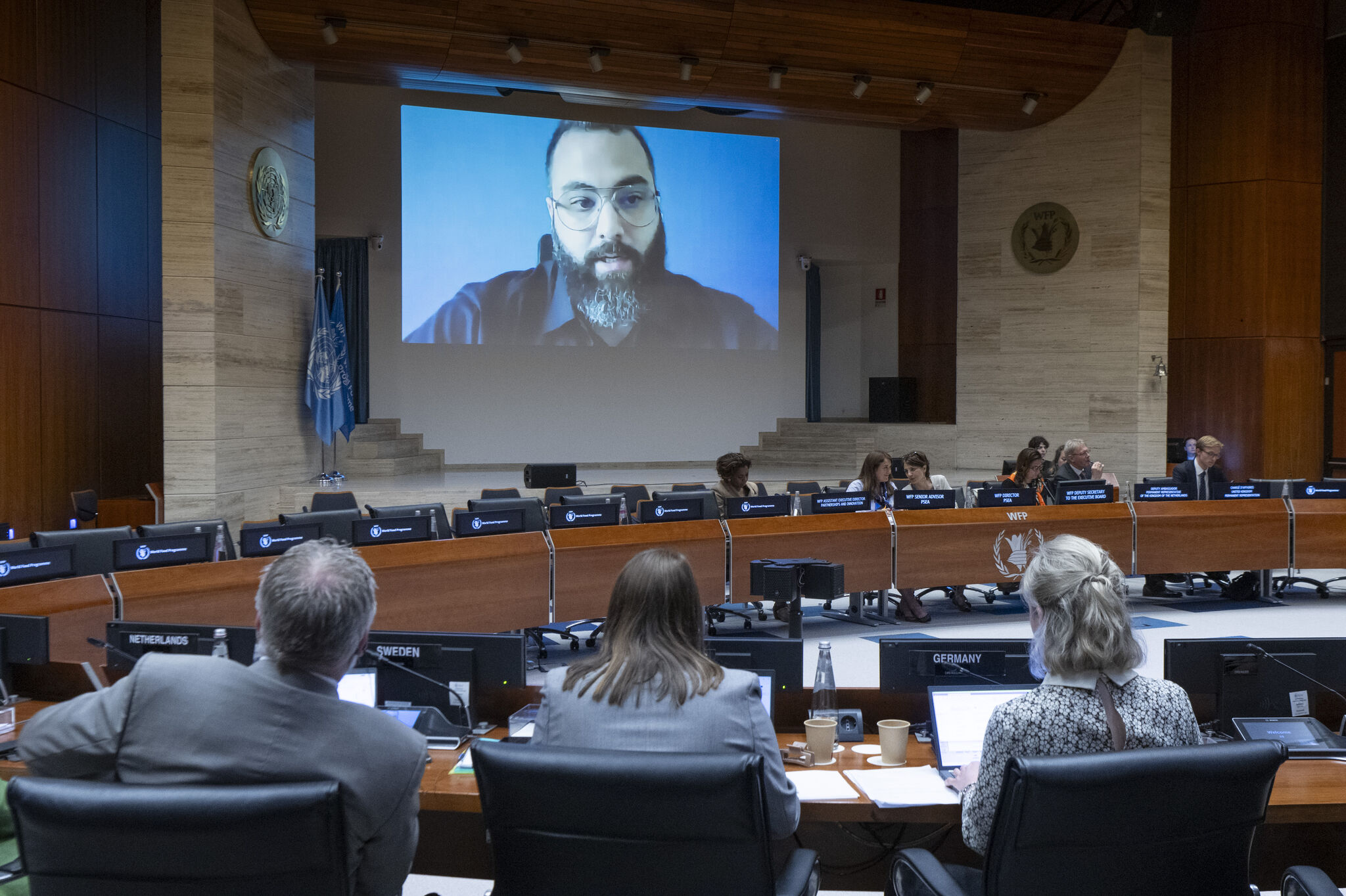
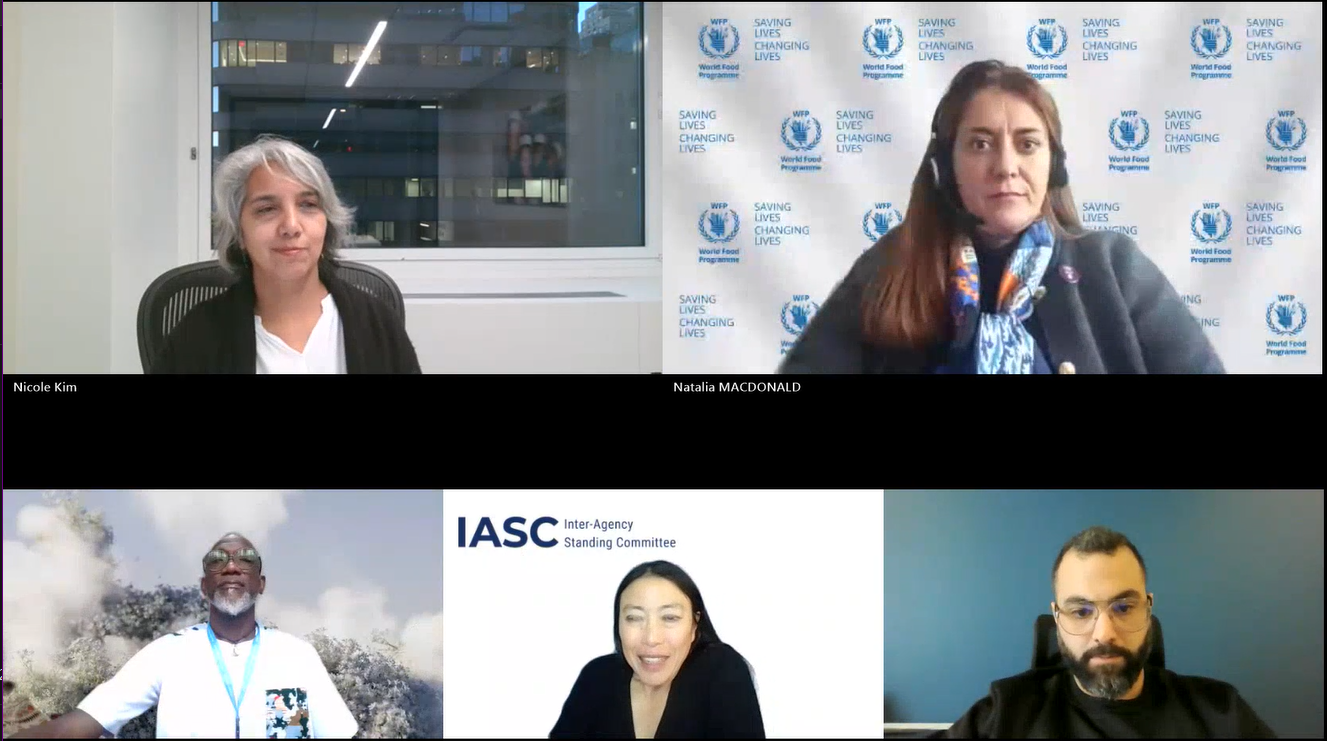
WFP Harmonized PSEA E-Learning, Launch Event, Lebanon
Participated as a speaker at the launch event of WFP's Harmonized PSEA online course on 11 December 2025. Shared perspectives on how embedding PSEA mechanisms into NGO operations is fundamental to maintaining trust with the communities served, and why the course represents a significant step forward for local and national organizations.
"Embedding PSEA mechanisms into NGO operations is fundamental to maintaining trust with the communities we serve. In humanitarian settings, especially when we are providing assistance that is free of charge, whether cash or in-kind, an imbalance of power naturally exists. And that imbalance can unfortunately create incentives for exploitation, including sexual exploitation and abuse."
Highlighted how PSEA stops being a checklist and becomes a mindset when it is fully integrated into every stage of the programme cycle, from project design involving protection focal points early, to safe recruitment, community awareness, and accessible reporting channels. Emphasized the value of the Harmonized PSEA Course in giving smaller civil society organizations practical, structured guidance to build capacity at their own pace, giving organizations the confidence to assess their gaps and put the right safeguards in place.
Speaker · WFP · Lebanon